DPF
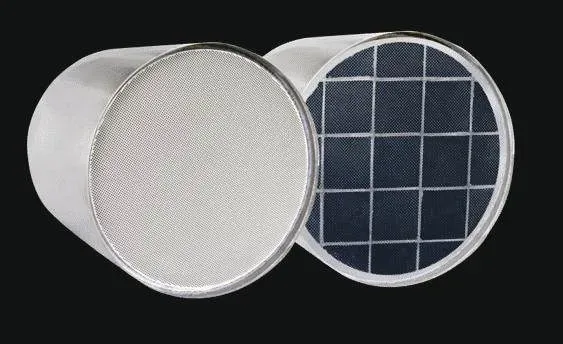
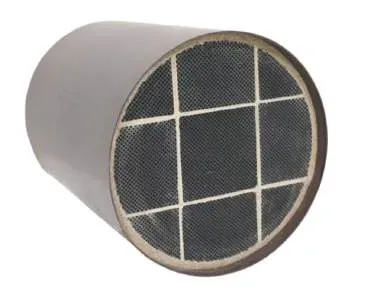
Captures particulate matter and soot from the diesel exhaust.
Urea SCR, urea-less SCR, DOC + DPF, retrofit kits, thermal management and dosing controls, with full specifications, compliance mapping and side-by-side comparison.
Showing 18 of 18 products
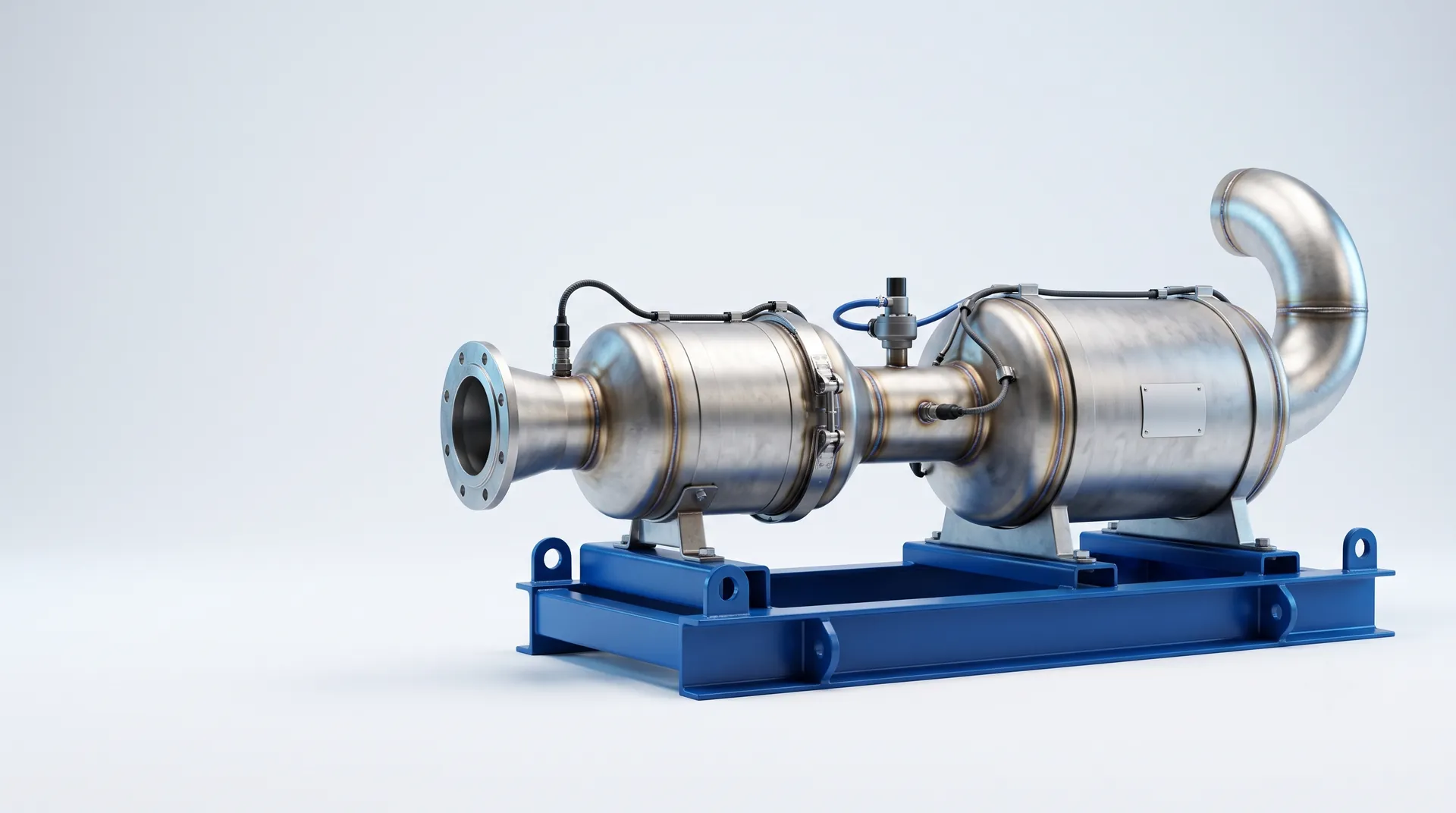
High-power urea SCR platform for gensets and industrial engines: DOC, DPF, decomposition mixer, SCR and ammonia-slip catalyst with closed-loop AUS 32 dosing.
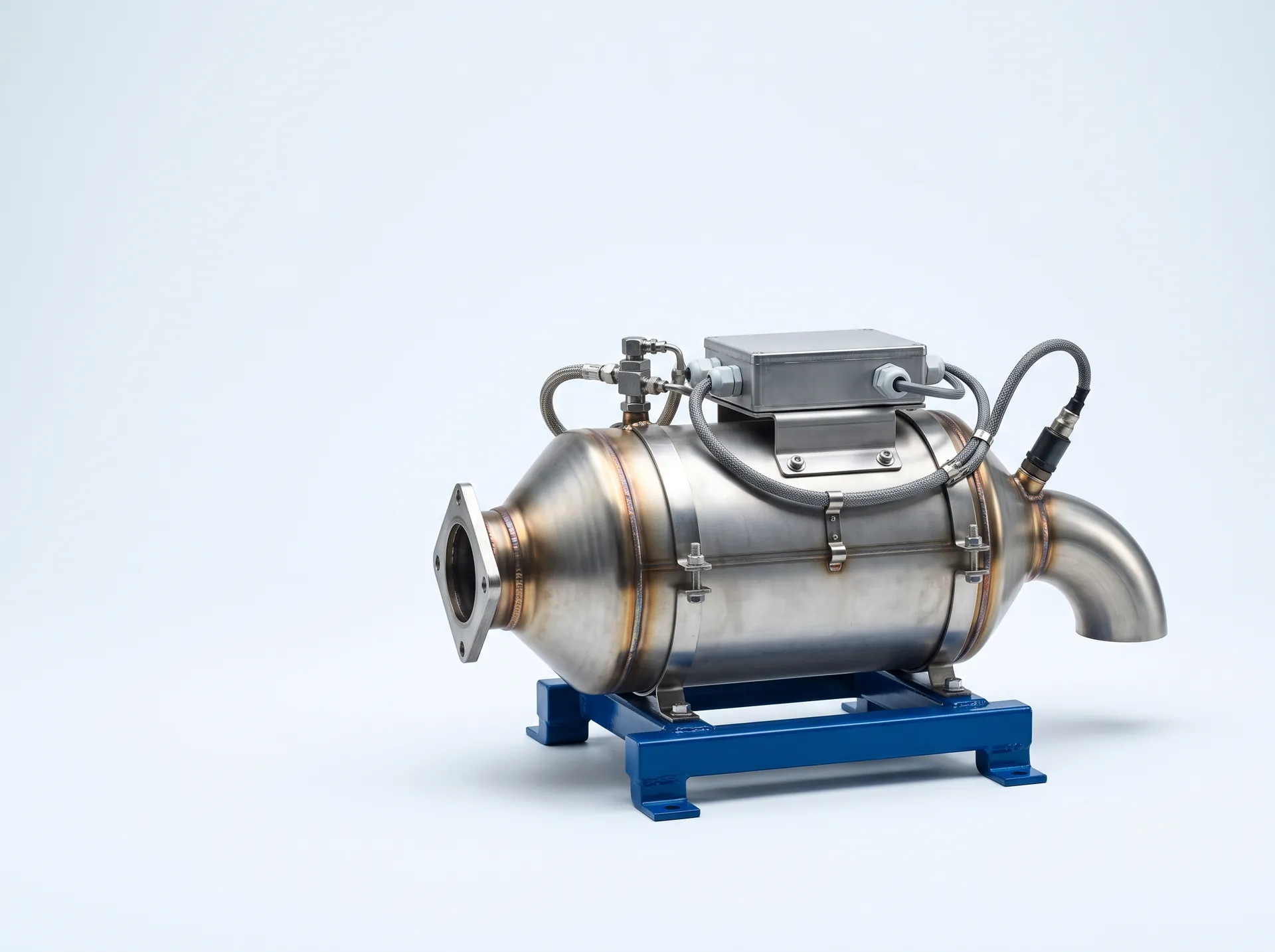
Urea-less SCR for compact gensets, tractors and CEV. No AUS 32 tank, no AUS 32 supply chain, and effective at the low exhaust temperatures where urea cannot decompose.
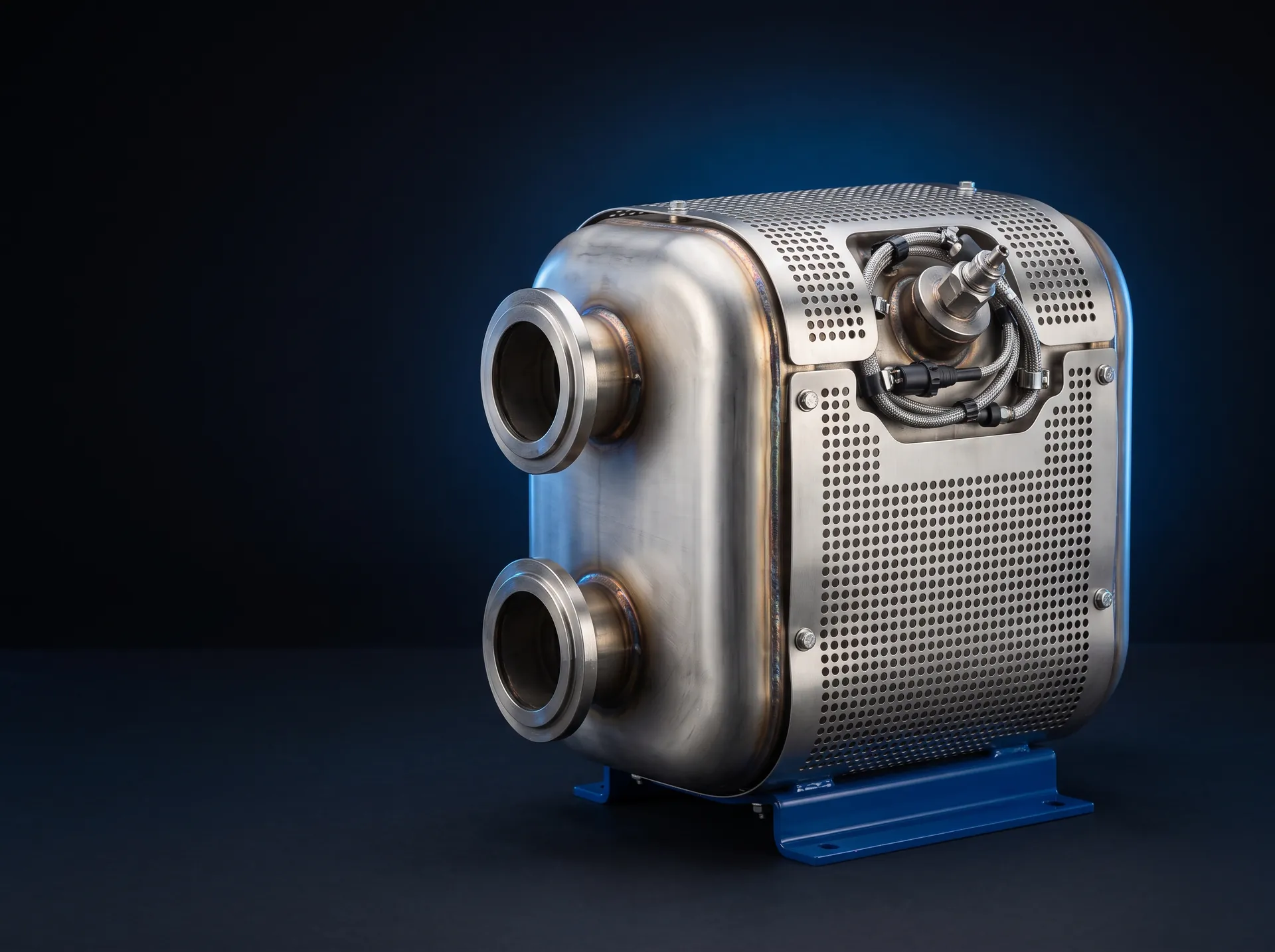
Space-optimised SCR with integrated dosing and control for compact construction, agricultural and genset applications.
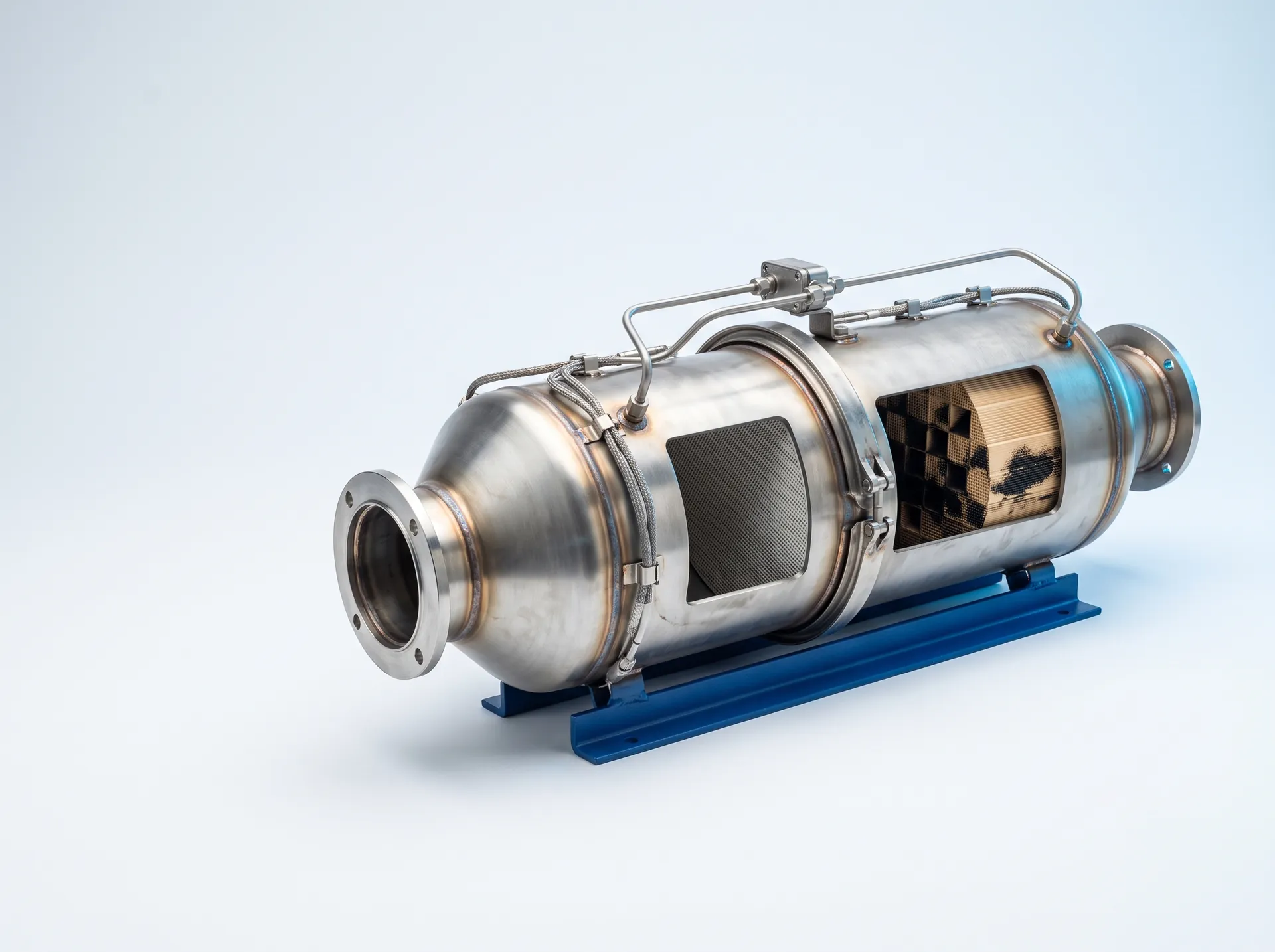
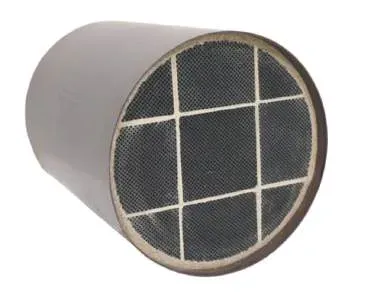
Oxidation catalyst and wall-flow particulate filter in one canned housing, with passive regeneration and active regeneration for demanding duty cycles.
A single catalyst unit that combines particulate filtration, urea-based NOx reduction and ammonia slip control for stationary diesel engines. It is designed to be compact, to manage exhaust back pressure and to simplify installation, subject to engine-specific validation.
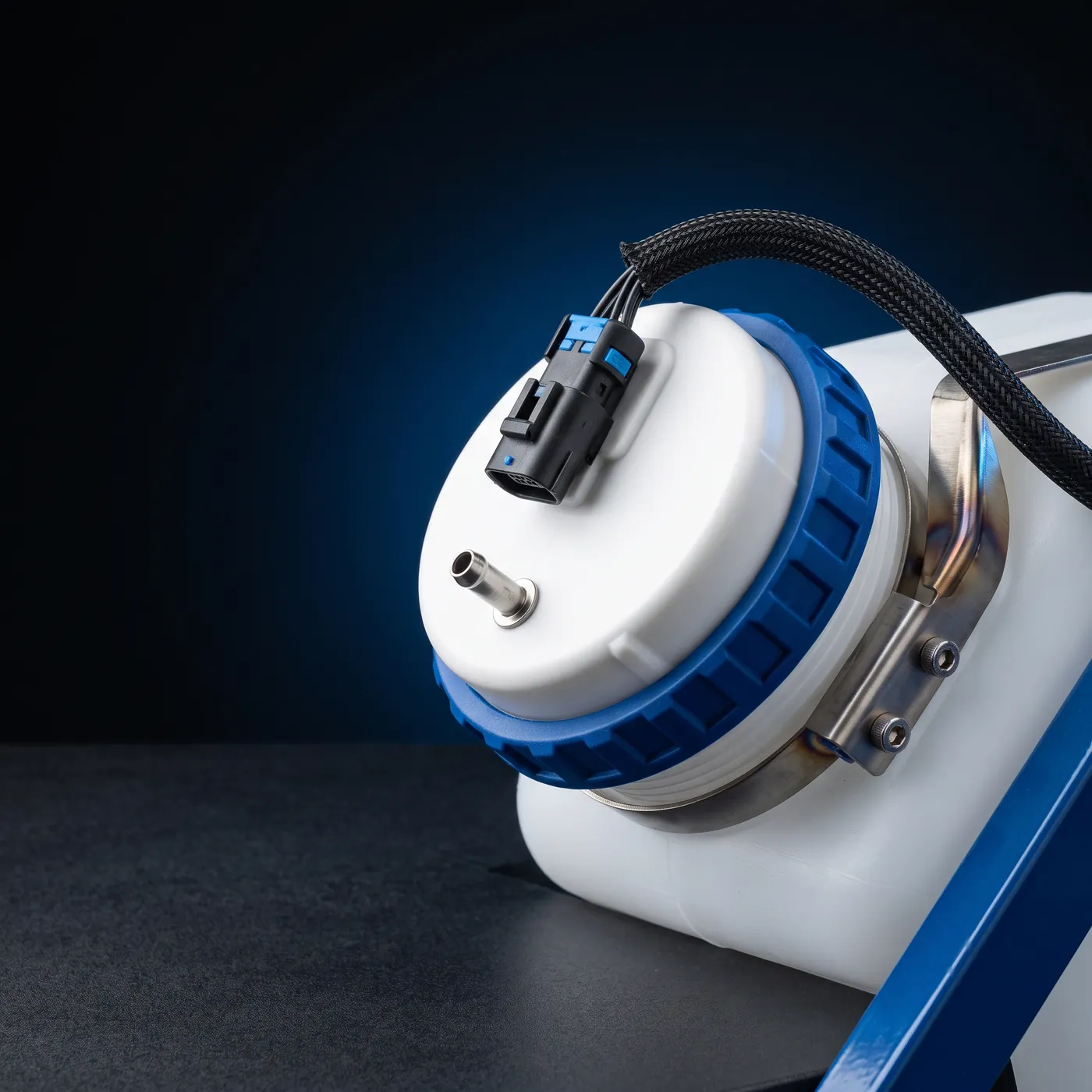
Urea storage modules from 25 L to 1,000 L for different engine ratings, operating durations and installations, with level measurement, quality measurement and data logging built in.
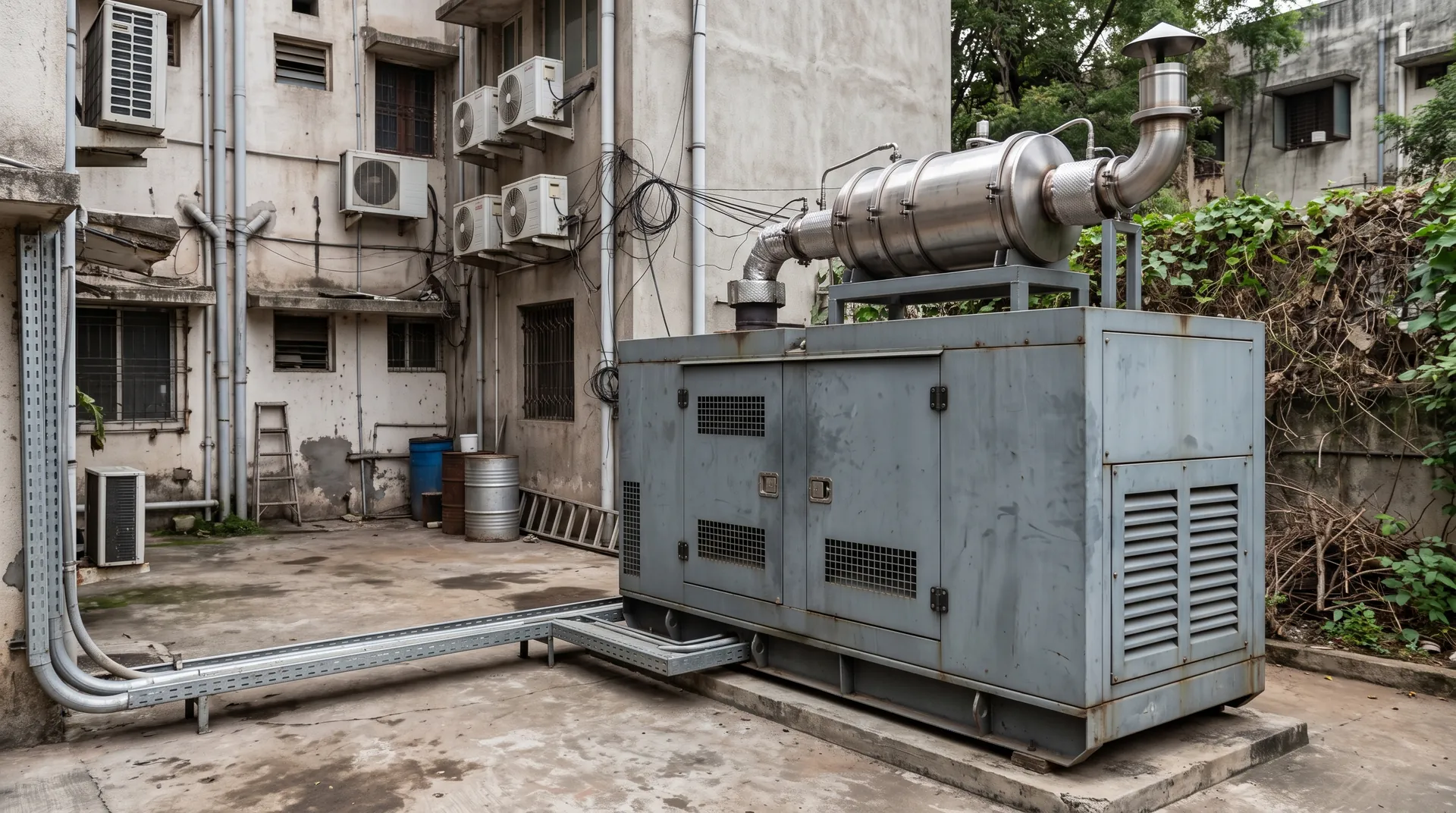
Retrofit emission control for installed DG sets: DOC + DPF with optional SCR, engineered to each site so existing engines keep running under the new norms.
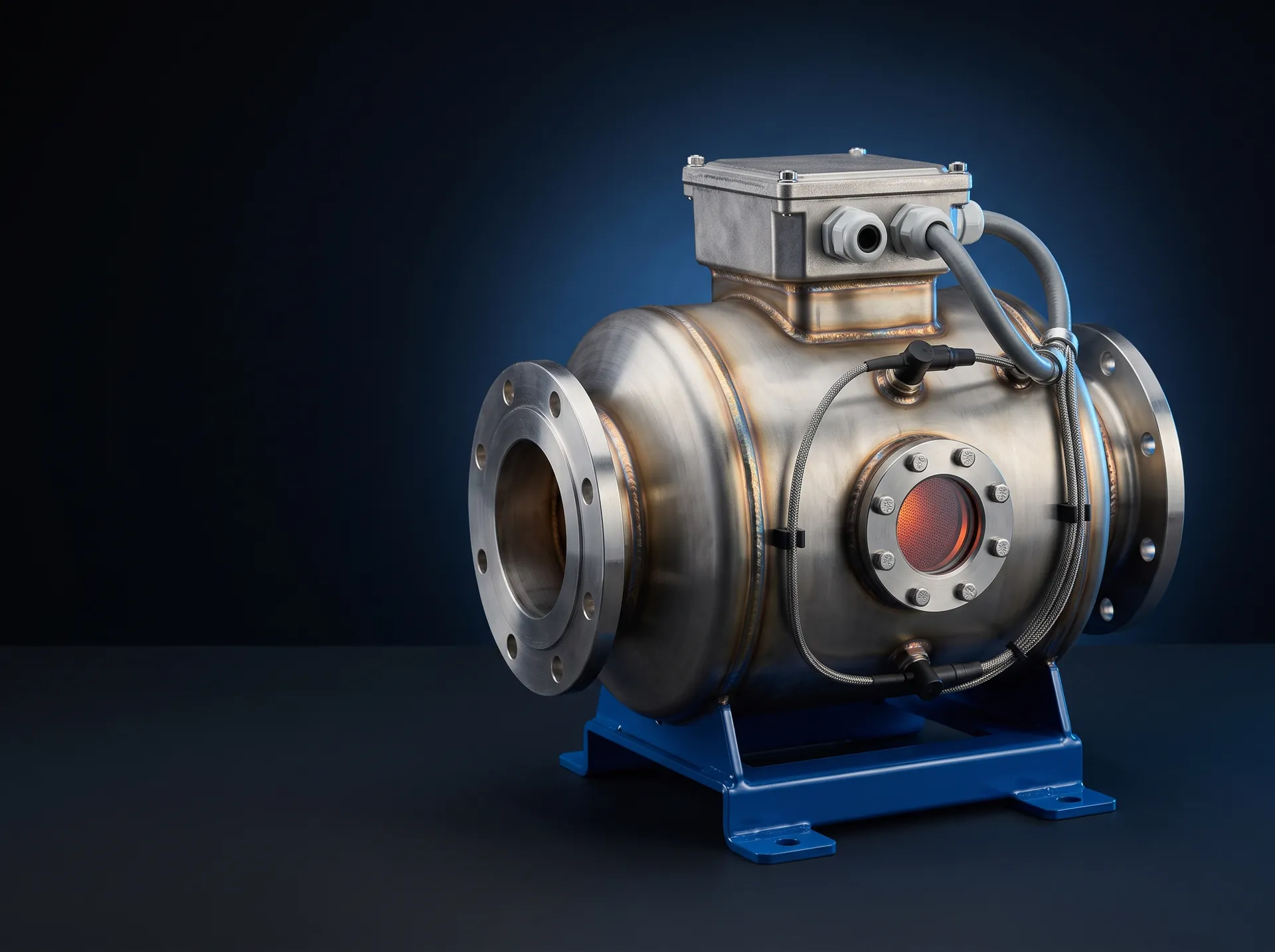
Active and passive thermal module: injector, electric heater and flow valve generate heat by oxidation upstream of the catalyst for fast light-off at low load.
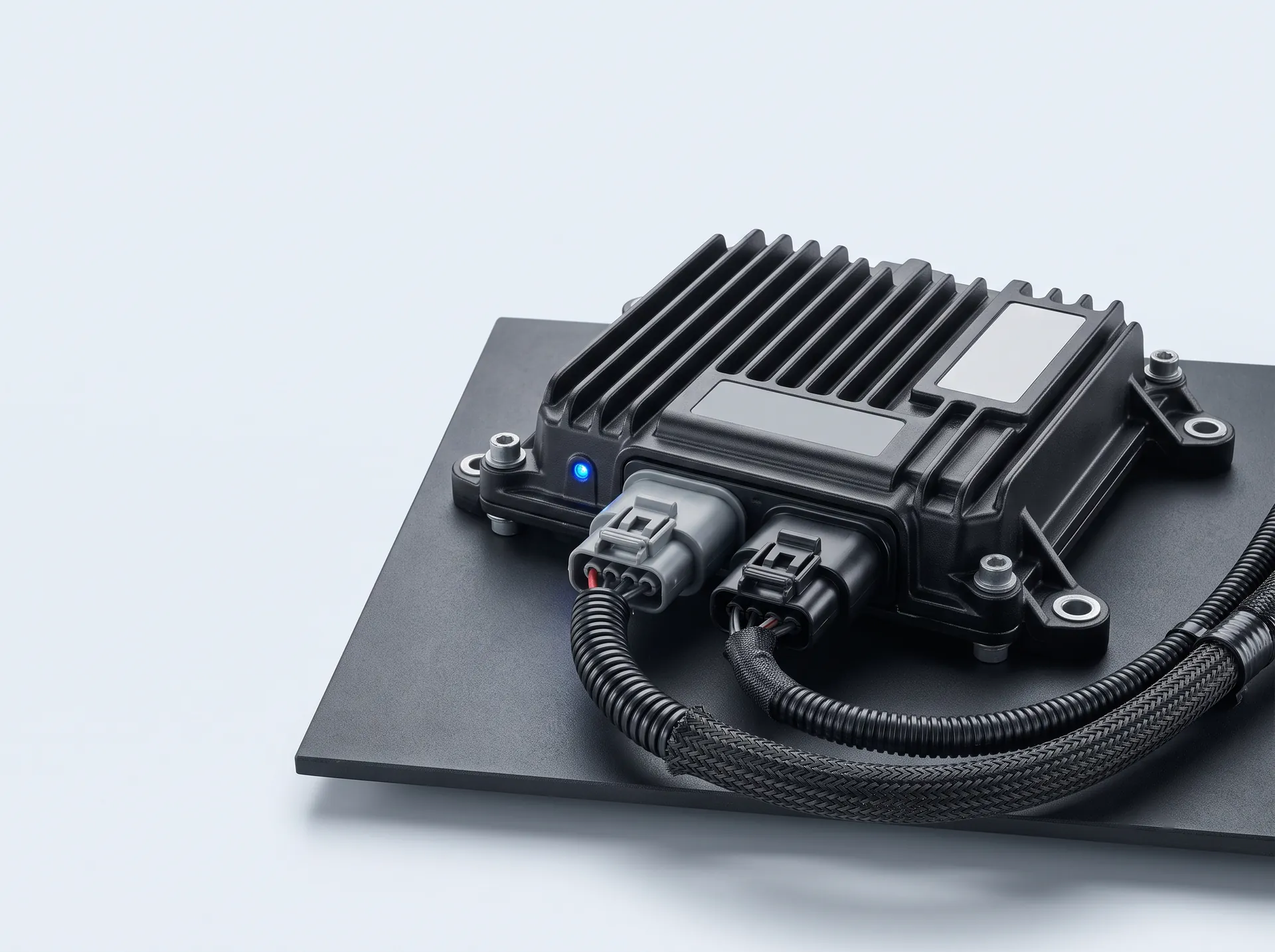
Aftertreatment control unit running dosing, heater, purge and regeneration strategies with NOx feedback, OBD diagnostics and CAN to the engine ECU.
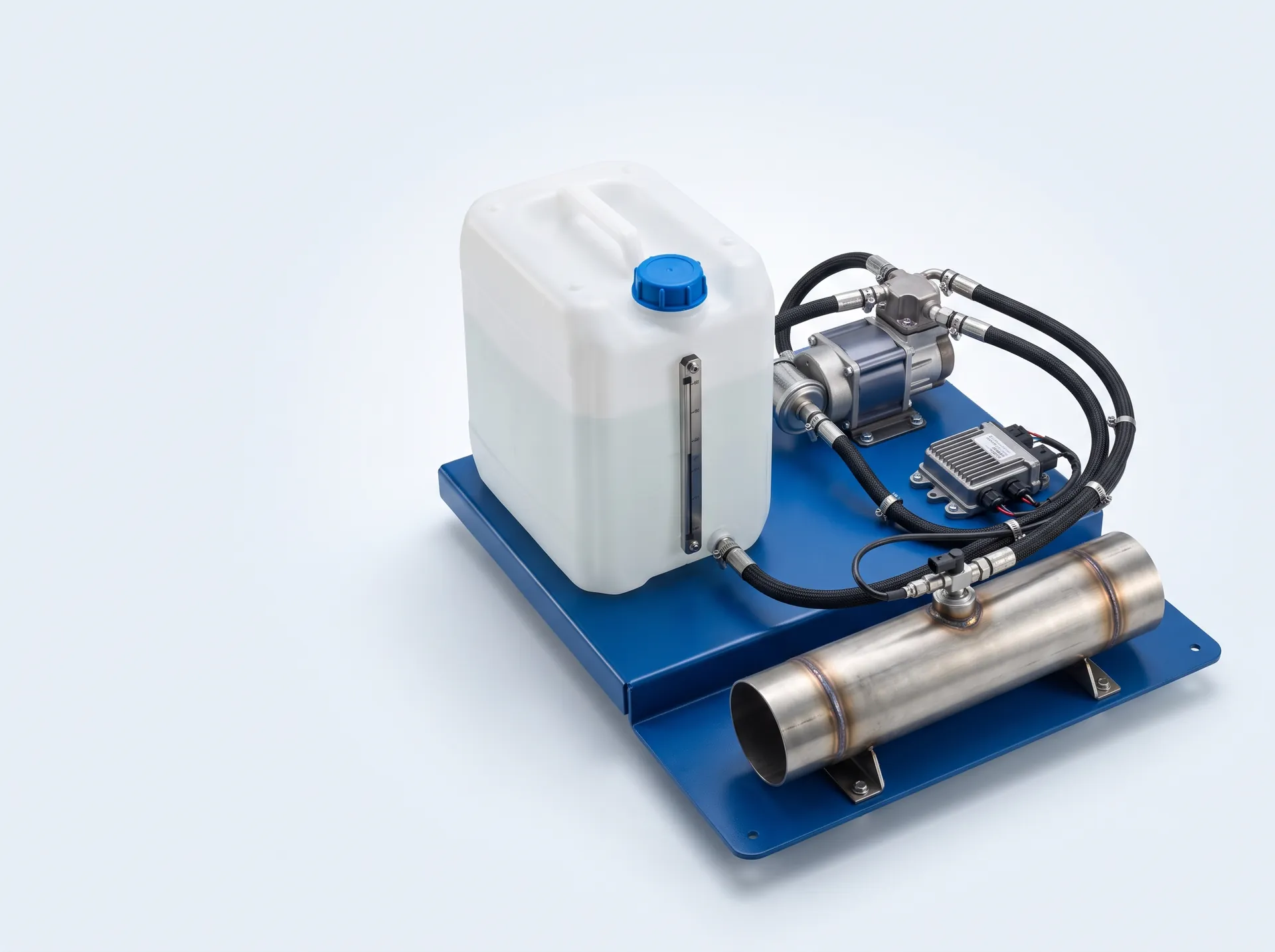
Automotive-grade electric diaphragm or gear pump for urea SCR and urea-less SCR, self-priming with dry-run protection and an optional integrated heater.
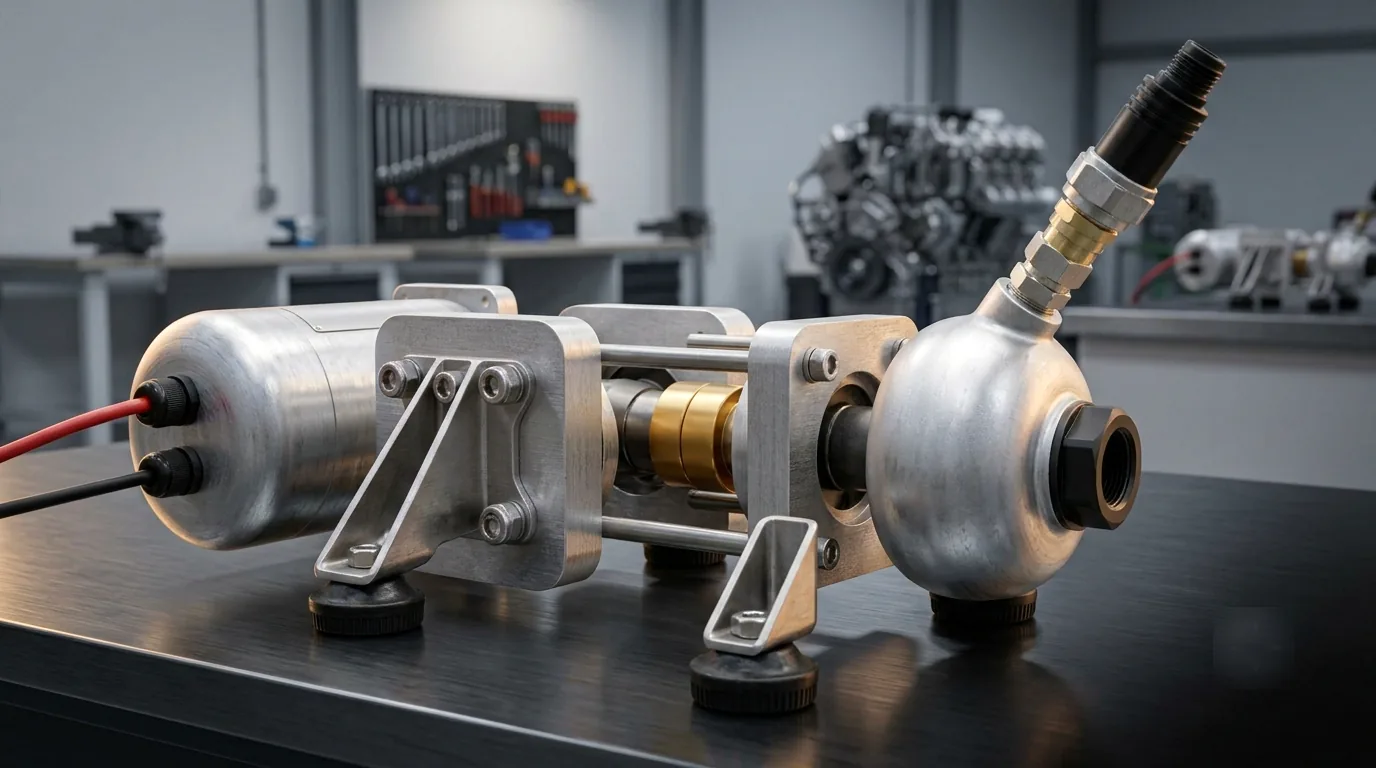
Compact self-contained booster that lifts low-pressure CNG to a steady pressure for the injectors of diesel engines running dual-fuel. The motor and every electrical part sit behind an isolated drive section, so gas never touches electrics, and an internal buffer gallery keeps supply continuous.
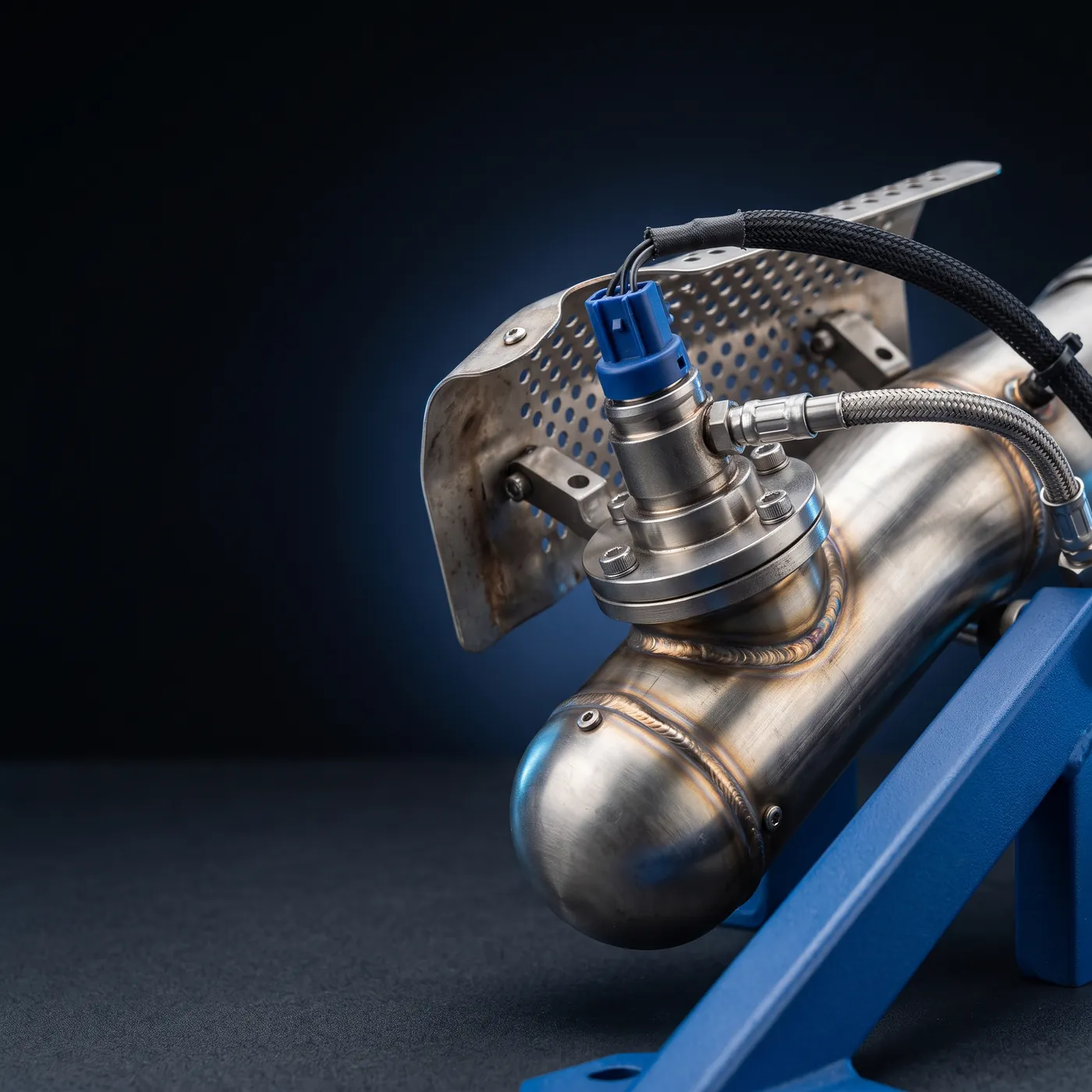
Solenoid-actuated AUS 32 injector with a multi-hole spray optimised for exhaust mixing, a purge strategy against crystallisation and an optional nozzle heater.
Integral electric actuator for closed-loop engine speed control on rotary fuel-injection pumps. Sealed, all-metal, with no sliding parts.
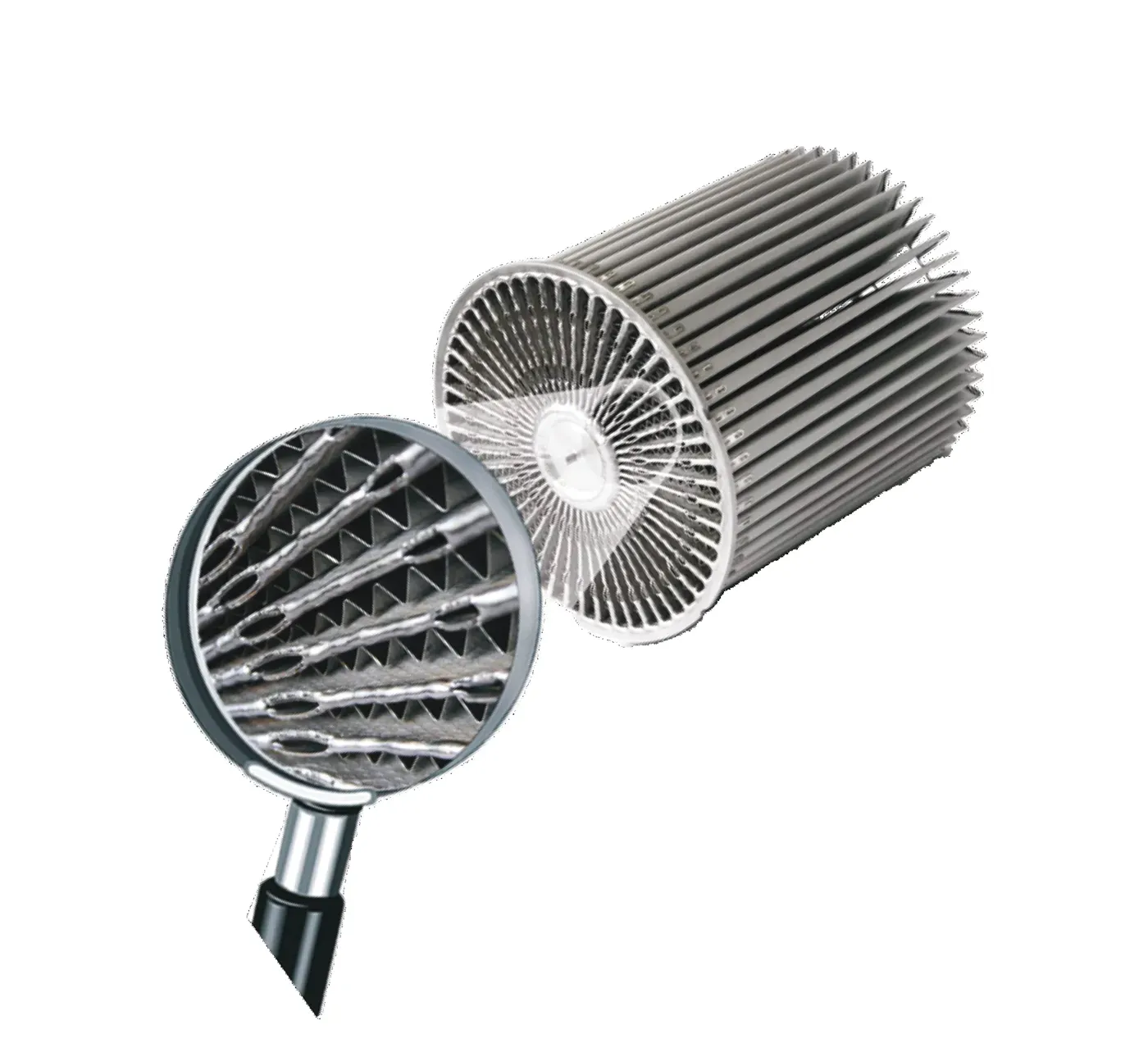
PWM-controlled electric exhaust heater that keeps DOC, DPF and SCR in their working window at light load. One-box design with built-in diagnostics and protection, no relays or fuses needed.
Fuel injector and heater that raise exhaust temperature on demand, so the DPF regenerates reliably whatever the genset load. Retrofit-ready for any genset.
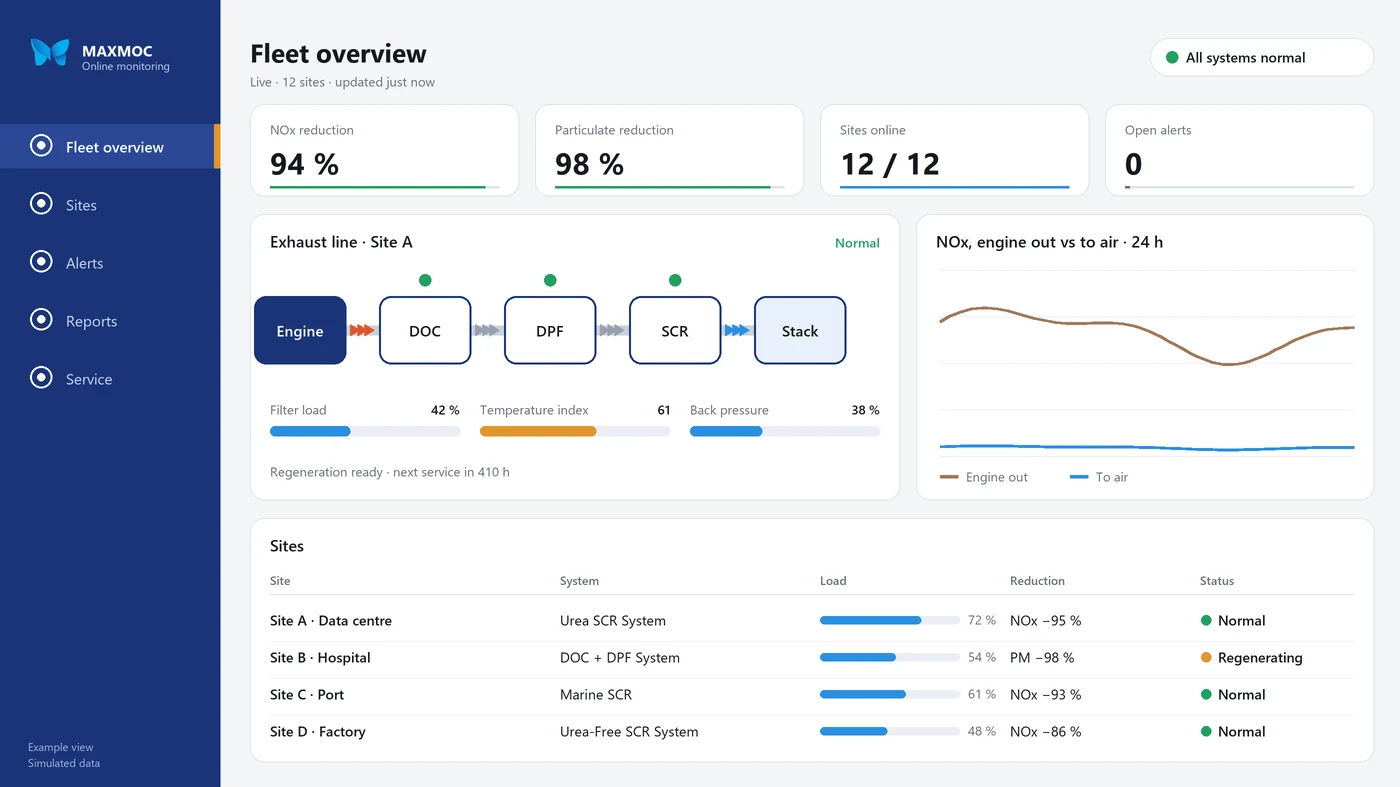
Online monitoring for Maxmoc RECDs and SCR systems: live back pressure, temperatures and engine speed, alerts, regeneration logs and fault codes.
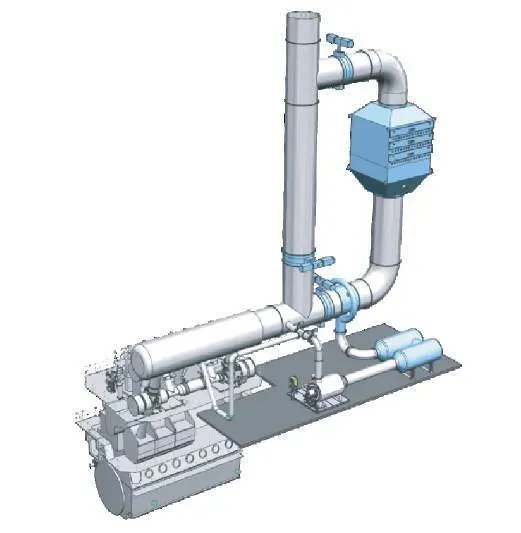
Low-pressure SCR for 4-stroke engines on MGO or HFO, and for 2-stroke engines up to 82 MW on low-sulphur fuel. Compact units, closed-loop dosing and full automatic control for onboard installation.
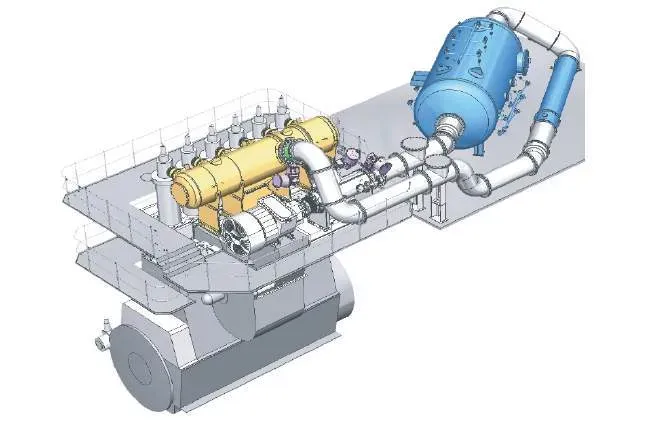
High-pressure SCR for 2-stroke main engines up to 33 MW, designed for fuel up to 3.5 % sulphur, with the reactor ahead of the turbocharger.
▪ Integrated after-treatment
Maxmoc is introducing an integrated diesel engine after-treatment technology for stationary diesel engines, particularly in the 1,000–10,000 kVA segment, to help meet NOx and particulate matter (PM) requirements under the applicable Indian regulatory framework, including CPCB IV+ and CAQM Direction No. 76 where applicable. Separate DPF, SCR and ASC components add size, complexity and exhaust back pressure. Combining them in one catalyst unit is designed to keep the system compact.
DPF
Captures particulate matter and soot from the diesel exhaust.
SCR
Reduces nitrogen oxide (NOx) emissions through a urea-based exhaust treatment process.
ASC
Helps control excess ammonia escaping from the SCR stage.
Several emission-control functions in a single catalyst unit.
Designed to add less exhaust restriction than a multi-component arrangement, subject to engine-specific validation.
Fewer components, simpler system packaging and a simpler installation.
Addresses NOx and particulate matter while helping manage ammonia slip.
Maxmoc develops its own urea dosing pump, injector and After-Treatment Control Module (ATCM). The control architecture coordinates urea injection and after-treatment operation with the engine operating conditions and the emission-control requirements, so the solution does not rely entirely on externally sourced dosing and control parts.
Maxmoc also develops its own active regeneration technology, which helps manage soot accumulation and reduces the risk of DPF clogging under suitable operating conditions. It supports effective soot management, controlled regeneration, better operational reliability and management of exhaust back pressure. Regeneration strategies are configured for the engine, its exhaust temperatures and its duty cycle.
Tank modules cover different engine ratings, operating durations and installation requirements, with intelligent monitoring and measurement built in.
Maxmoc reports that its retrofit solution has been tested at the International Centre for Automotive Technology (ICAT), with test reports available for the relevant configurations. The reported validation covers selected older-generation engines, including CPCB I and CPCB II engines, upgraded with the complete Maxmoc after-treatment system to meet CPCB IV+ emission requirements. It can help customers modernise existing generator installations without necessarily replacing the engine or the genset.
Important: CPCB IV+ compliance through retrofit depends on the specific engine model, rating, duty cycle, installation and applicable approval requirements. Review the ICAT test reports and any required regulatory approvals to establish the precise scope of compliance.
Rather than supplying individual components, Maxmoc aims to provide a complete, application-specific emission-control system designed around the customer’s engine, operating conditions and the applicable regulatory requirements, to support cleaner diesel power generation.
▪ Breath
A short film in one unbroken take: a single breath of diesel exhaust travels through the oxidation catalyst, the filter, the dosing and the SCR of a Maxmoc system, and leaves as clean air.
▪ Reaction timeline
DOC
Oxidises CO and HC, and turns part of the NO into NO₂ for passive regeneration and fast SCR.
Raw ~900 ppm
Raw ~90 mg/m³
Indicative values at the outlet of each stage on a urea SCR line at rated power.
▪ Catalyst technology
Every Maxmoc system starts from the engine's exhaust temperature, duty cycle and fuel. We match the SCR catalyst to that window and tune the oxidation catalyst for fast light-off and passive regeneration, so the system stays in its working range on the real load profile.
| Duty profile | NOx conversion | Sulphur tolerance | Thermal stability |
|---|---|---|---|
| Rugged, high-sulphur duty | ≥95 % | High | High |
| Very hot exhaust | ≥90 % | High | Very high |
| Low-temperature and cold-start duty | ≥95 % | Clean fuel | High |
| Particulate filter | What you get |
|---|---|
| Soot holding | High, for longer intervals between regenerations |
| Backpressure under soot | Low, within the engine OEM limit |
| Filtration | Up to 99.99 % of particle number in test |
| Service | Quick-release housing for ash cleaning |
▪ Inside Maxmoc
What happens when compliance lands on your launch plan, and how Maxmoc sizes, builds, proves and supports the system that gets your engine out on time and clean.